‘You, sir, are a shit,’ a reader of the Independent wrote to me a few years ago. And on that occasion he was right.
On the news of Bob Hope’s death, I had sounded off in a column about his style of humour, his politics, his shabby treatment of writers. I see now that, although they were fair criticisms, the timing was wrong. I had unnecessarily hurt and annoyed one of his fans, and that was indeed a bit of a shitty thing to do.
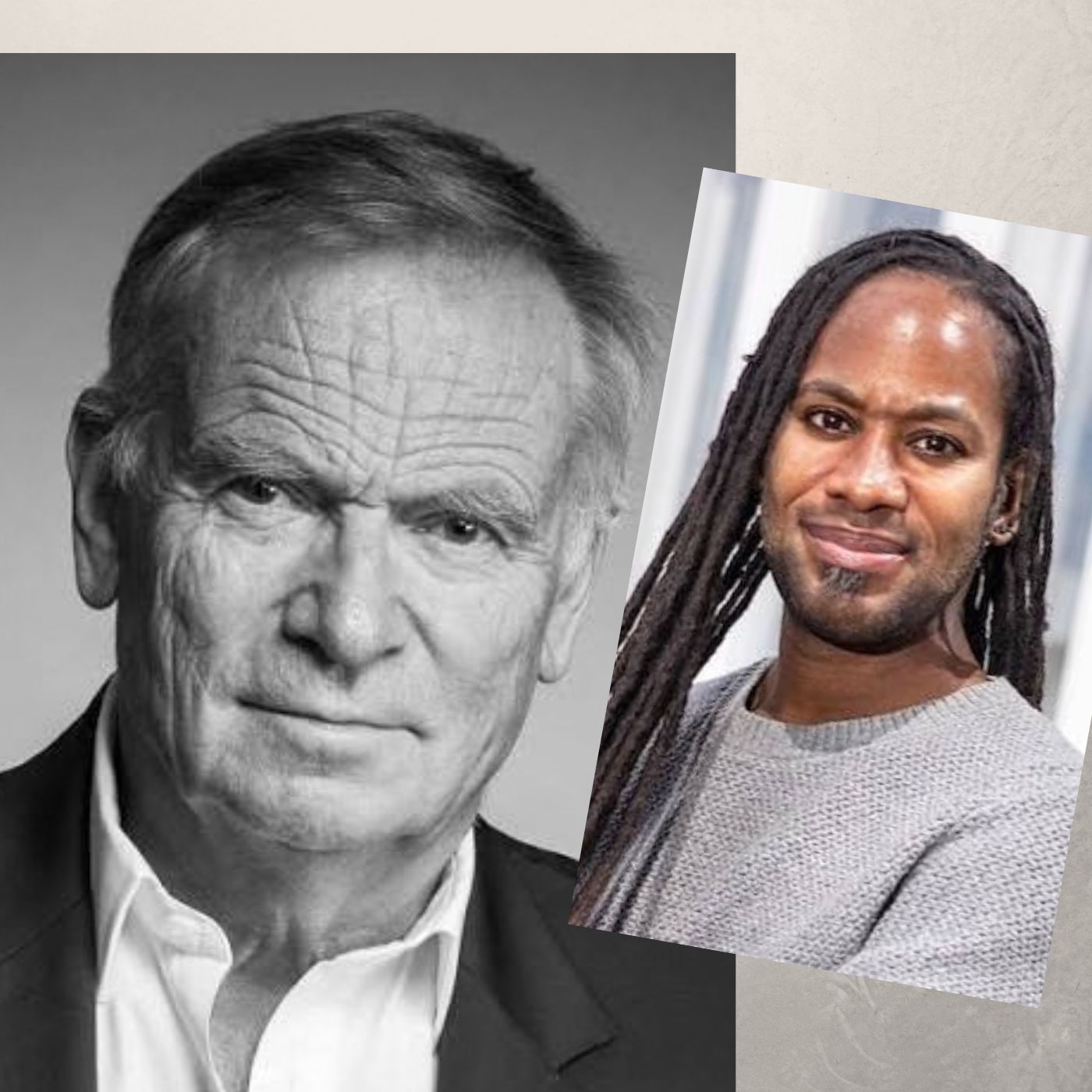
Lesson learned, I am not going to give my opinion of Jeffrey Archer, the little shyster (whoops, sorry) who, with characteristic marketing flair, has died on the eve of publication of his last novel. One moment he was promoting himself chirpily on the airwaves, the next he was gone.
It has been the reaction to his death that has been fascinating. The smiling face of Lord Archer of Weston-super-Mare has been on the front of all the newspapers. There were sorrowful tributes at the Conservative Party conference, notably from Kemi Badenoch, and affectionate reminiscences on the radio and TV.
What a character, he had been, they said – what a card. Not exactly a national treasure – too red-blooded for that – but a significant heavyweight figure of our times.
Admittedly there were a few hang-on-a-minute contributions from members of the awkward squad, notably Michael Crick, who had written his biography, and Janice Turner, who had interviewed him, but they were drowned out by the chorus of approval from the establishment. He may have been a bit of a rascal, we were told, but, what the hell, he had added some much-needed colour to these drab days.
After all, when all was said and done, he was in the phrase of Margaret Thatcher – one of three Tory leaders to employ, promote or ennoble him – ‘one of us’.
It was quite a trick to pull off. To read the excellent two-page obituary in The Times is to marvel at the sheer lifelong consistency and scope of his villainy: lying, fraud, blackmail, perjury, infidelity. As a wrong ‘un, he really did cover the waterfront.
But for me there was something about his story of deception which rang a bell. I started thinking of another recently deceased public figure with a problematic connection to the truth: Professor Jason Arday.
It has been difficult to tell from the varying and sharply contradictory versions of Arday’s life and character where mental issues ended and moral weakness began. It seems clear though that, whatever went wrong in his life, he was not by nature a con-man and, during his ascent up the academic ladder, other people and institutions were involved. Something obviously went horribly wrong in his life and sadly, tragically, he paid the price.
But compare and contrast the attitude to Jason Arday in the conservative press to that afforded Archer. Arday was ‘Cambridge’s diversity poster boy’ (Telegraph), ‘the serial fantasist cry-bully’ (Spectator), ‘the plagiarism prof’ (Sun). There were satirical pieces about his ‘buffet of half-truths’. His death was portrayed as the fate, regretful but unsurprising, of someone – a man with ideas above his station – who tried to con his way to the top. ‘The only person responsible for Jason Arday’s death is Jason Arday,’ said Julia Hartley-Brewer on TalkTV.
There was, incidentally, an irony in the accusation that institutions had turned a blind eye to Arday’s lack of qualifications because of his personal circumstances. Precisely the same could be said of generations of well-bred upper-middle-class Englishmen who were helped on their easy, ever-upward progress through the world. The difference was simply that their special characteristic was not skin colour but family name, background, tradition and old money. I don’t recall Prince Charles being characterised as ‘Cambridge’s privilege poster boy’ when he waltzed, cheerfully unqualified, into Trinity College back in 1968.
So there we have it, as plain as day. Two JAs, two public figures: a con artist, unapologetic and crisply middle-class, and a fantasist, vulnerable and from a lowly background. One has been celebrated as a loveable rapscallion having been honoured throughout his life by the great and the good, and amply rewarded, and made a lord. The other is portrayed as an exemplar of all that has gone wrong in a woke culture.
Normally the Establishment works smoothly, quietly and out of sight in a world of smiles and unspoken understandings. With the deaths of Archer and Arday, the in-built, rarely questioned double standards at the heart of British public life have there in plain sight.
The way of the world, I suppose.